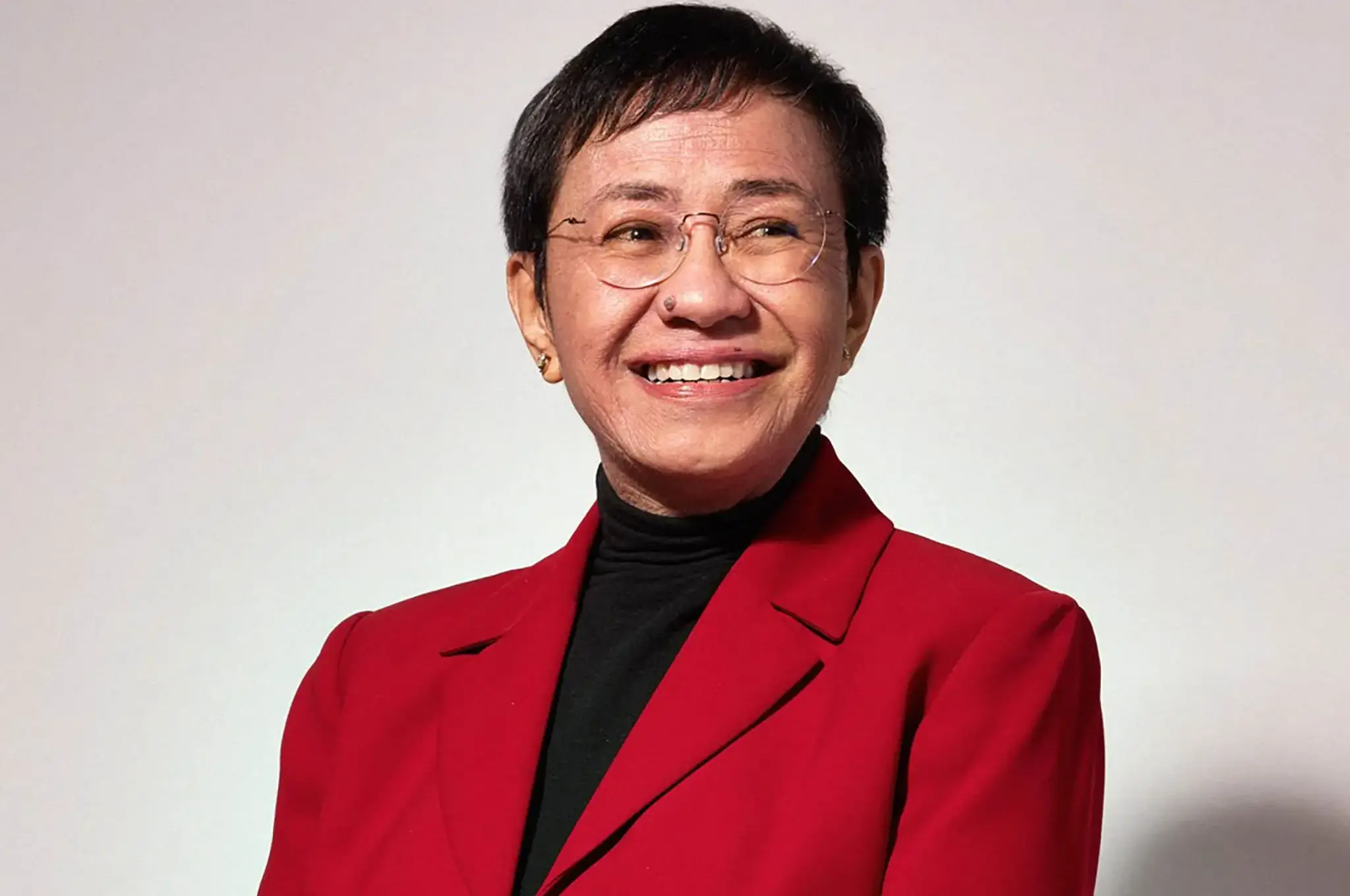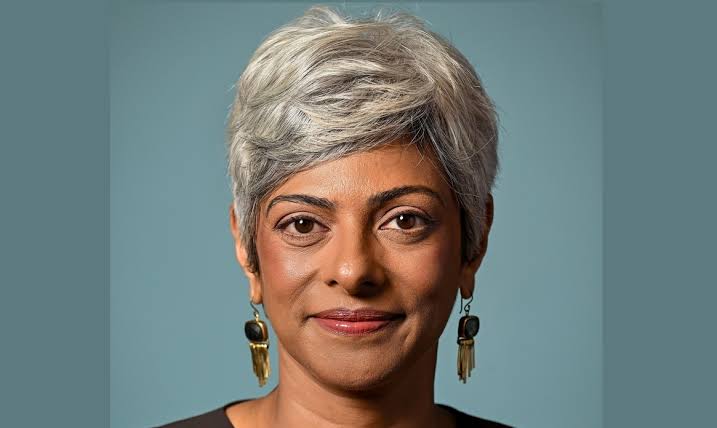
Girls Who Code has appointed Susan Gouijnstook as its new Chief Executive Officer, placing an experienced education and workforce development executive at the helm as artificial intelligence rapidly changes the skills and opportunities shaping the technology industry.
The international nonprofit announced Gouijnstook’s appointment on 15 September 2026. She succeeds Dr. Tarika Barrett and becomes the organisation’s third CEO, following Barrett and Girls Who Code founder Reshma Saujani.
More than two decades of experience
Gouijnstook brings more than 20 years of experience spanning education, workforce development and technology.
Most recently, she served as the first Chief Solutions Officer at Jobs for the Future (JFF), where she was responsible for developing and scaling programmes across the United States.
Her work at JFF included helping launch the 75 Million Movement as well as initiatives focused on education, employers and the impact artificial intelligence is having on the workforce.
Before joining JFF, Gouijnstook spent more than 16 years at education technology company McGraw Hill, where her responsibilities included strategy, product development, research and programme management within its Higher Education business.
Taking over as AI transforms technology
Gouijnstook steps into the position at a particularly important moment for the organisation.
Artificial intelligence is transforming how technology is developed, how companies operate and the skills increasingly expected from people entering the industry.
Girls Who Code has consequently expanded its work beyond traditional computer science education to include emerging fields such as AI and cybersecurity. The organisation says more than 85,000 students have already participated in its AI coursework and learning opportunities.
For Gouijnstook, ensuring young women and other underrepresented groups are involved in shaping these technologies will be an important part of the organisation’s next chapter.
“In a moment when AI is being defined in real time, I’m excited to lead this organization and help ensure girls, women, and nonbinary people have a seat at the table in tech and the chance to shape it,” Gouijnstook said.
She added that developments currently taking place across technology will have a significant impact on society and that young people need both a voice and a stake in that future.
Girls Who Code targets five million people by 2030
One of Gouijnstook’s biggest tasks will be overseeing Girls Who Code’s ambitious expansion plans.
Since its establishment, the organisation says it has served more than 860,000 students, including approximately 425,000 alumni who are now college- or career-aged.
The organisation now wants to dramatically increase that footprint through its strategic plan, with a target of reaching five million girls, women and nonbinary people by 2030.
Its strategy includes expanding coding programmes while giving young people greater exposure to areas such as AI, cybersecurity and other emerging technologies that are expected to influence future employment opportunities.
Board backs Gouijnstook to lead next chapter
Carol Juel, Chair of the Girls Who Code Board of Directors, said Gouijnstook’s experience building programmes at scale and working across both commercial and mission-driven organisations made her well suited to lead the nonprofit’s next phase.
The appointment also completes a leadership transition announced earlier in 2026, when Barrett revealed she would step down after more than a decade with Girls Who Code, including five years as CEO.
Gouijnstook now takes responsibility for an organisation operating at the intersection of two major challenges: closing the longstanding gender gap in technology while simultaneously preparing young people for an industry being transformed by AI.
As artificial intelligence creates new professions, changes existing jobs and alters the skills companies demand, Girls Who Code’s mission is increasingly moving beyond simply getting more women into technology.