Emerging Indian Filmmakers Push Creative Boundaries with Mobile Cinema
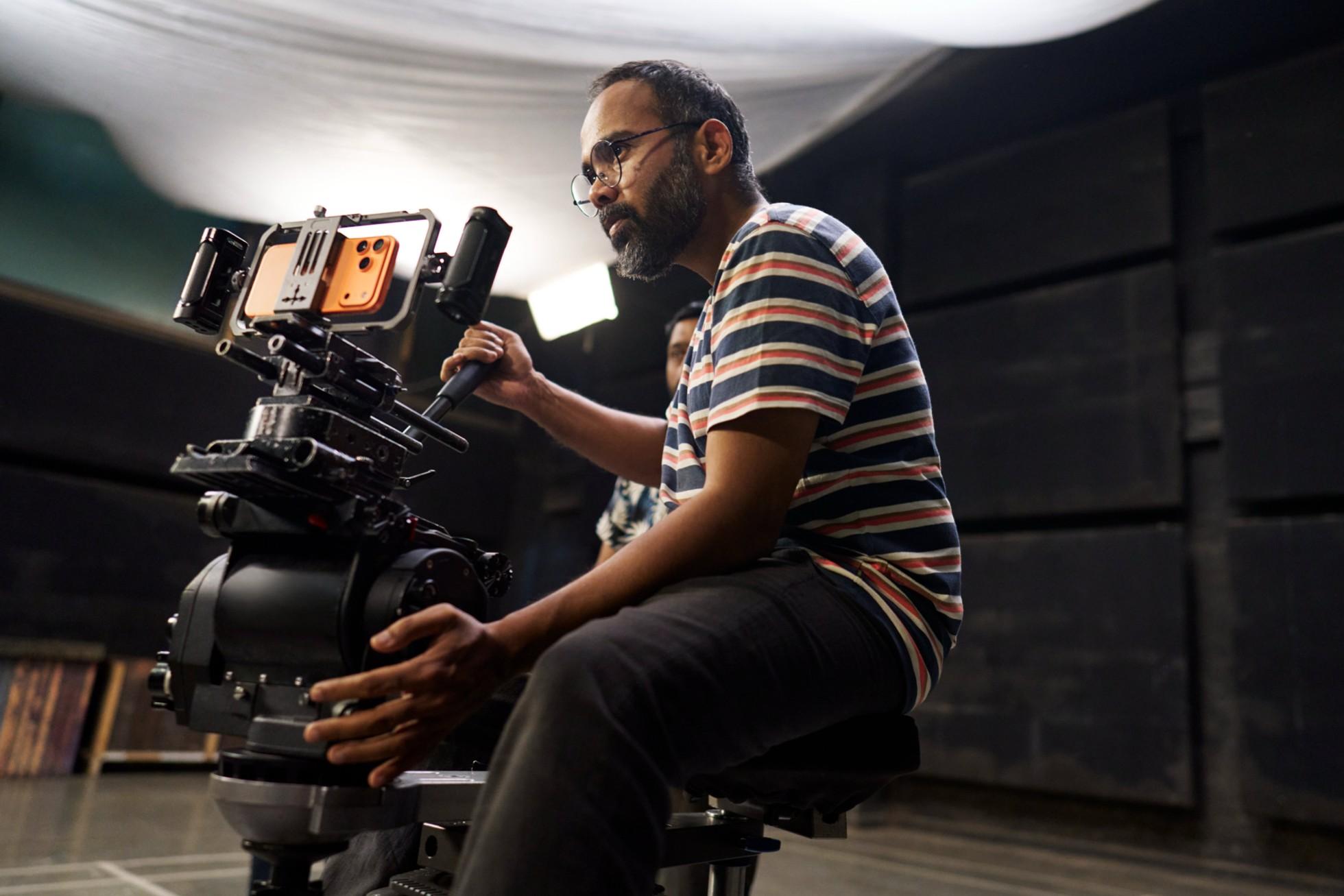
Apple has unveiled the latest edition of its MAMI Select: Filmed on iPhone program, spotlighting four emerging filmmakers who are redefining cinematic storytelling using the iPhone 17 Pro Max. The initiative, launched in partnership with the Mumbai Academy of Moving Image (MAMI), showcases how mobile filmmaking technology is opening doors for a new generation of creators and making filmmaking more accessible than ever before.
The 2026 lineup features filmmakers Shreela Agarwal, Ritesh Sharma, Robin Joy, and Dhritisree Sarkar, each bringing deeply personal and visually ambitious stories to life through the advanced camera capabilities of the iPhone 17 Pro Max. Their short films explore themes ranging from love and identity to spirituality, migration, and emotional isolation.
Industry Veterans Mentor the Next Wave of Storytellers
Acclaimed Indian filmmaker Sriram Raghavan, best known for the award-winning thriller Andhadhun, served as one of the mentors for the program. He was joined by celebrated directors Chaitanya Tamhane, Dibakar Banerjee, and Geetu Mohandas.
“Filmmaking today is about vision, and iPhone makes it possible for anyone with a strong voice to create something meaningful,” Raghavan said.
Tamhane added that the flexibility of iPhone filmmaking is “redefining the art form,” helping creators push the boundaries of what cinema can become.
Shreela Agarwal Returns to Filmmaking After Career-Ending Injury
Filmmaker Shreela Agarwal made a powerful return to cinema after stepping away from the industry to pursue boxing professionally. Following a career-ending injury, Agarwal found herself drawn back to filmmaking, eventually creating her latest short film, 11.11, described as “a love letter to Mumbai after dark.”
The film follows two women on a first date through the dimly lit streets and beaches of Mumbai. Agarwal revealed that ProRes RAW capture on the iPhone 17 Pro Max allowed her team to recover detail in low-light scenes while preserving cinematic depth and color accuracy.
She also praised the device’s stabilization system, which enabled fluid camera movement while filming dynamic beach sequences and dance-inspired scenes.
“The freedom, simply put, is unmatched,” Agarwal said.
Ritesh Sharma Uses Cinematic Mode to Explore Dreams and Reality
Ritesh Sharma used the iPhone’s Cinematic mode to blur the line between fantasy and reality in his short film She Sells Seashells, which follows a young migrant girl in Goa pursuing dignity and belonging.
Sharma explained that Cinematic mode helped visualize the emotional inner world of the protagonist by shifting focus between her surroundings and imagined realities. The filmmaker also relied heavily on the iPhone’s Audio Mix feature to isolate ambient sounds and enhance the film’s immersive atmosphere.
“I felt like a moving studio,” Sharma said, describing how he recorded and edited audio directly between iPhone and MacBook Pro during production.
Robin Joy Tackles Ambitious Fantasy Filmmaking
Kerala-based filmmaker Robin Joy embraced fantasy storytelling in his short film Pathanam (Paradise Fall), which centers on an angel crashing into the backyard of an atheist, triggering sociopolitical chaos.
Joy credited the iPhone 17 Pro Max’s Action mode and thermal performance for allowing his crew to shoot demanding action sequences on lakes and outdoor sets without interruption.
The film also leveraged AI-powered editing tools in Adobe Premiere Pro running on MacBook Pro with the M5 chip to complete complex visual effects sequences under tight deadlines.
“Being able to capture cinematic stories with iPhone lets newer filmmakers explore so many more possibilities,” Joy said.
Dhritisree Sarkar Explores Silence and Isolation Through Visual Metaphors
Academic and filmmaker Dhritisree Sarkar used the iPhone 17 Pro Max’s 8x optical zoom and ProRes RAW capabilities to create Kathar Katha (The Tale of Katha), a haunting film about a news anchor suffering from a rare condition that gradually seals her senses.
Sarkar, who previously shot her first short film on an iPhone 7 during the COVID-19 pandemic, believes smartphone filmmaking has become a crucial tool for democratizing storytelling.
“The trauma isn’t on the outside. It lies within,” Sarkar explained, discussing the film’s emotional close-up shots and visual symbolism.
Apple and MAMI Continue Driving Accessible Filmmaking
According to MAMI Mumbai Film Festival director Shivendra Singh Dungarpur, the success of previous films in the program has inspired a surge of independent creators to experiment with filmmaking on iPhone devices.