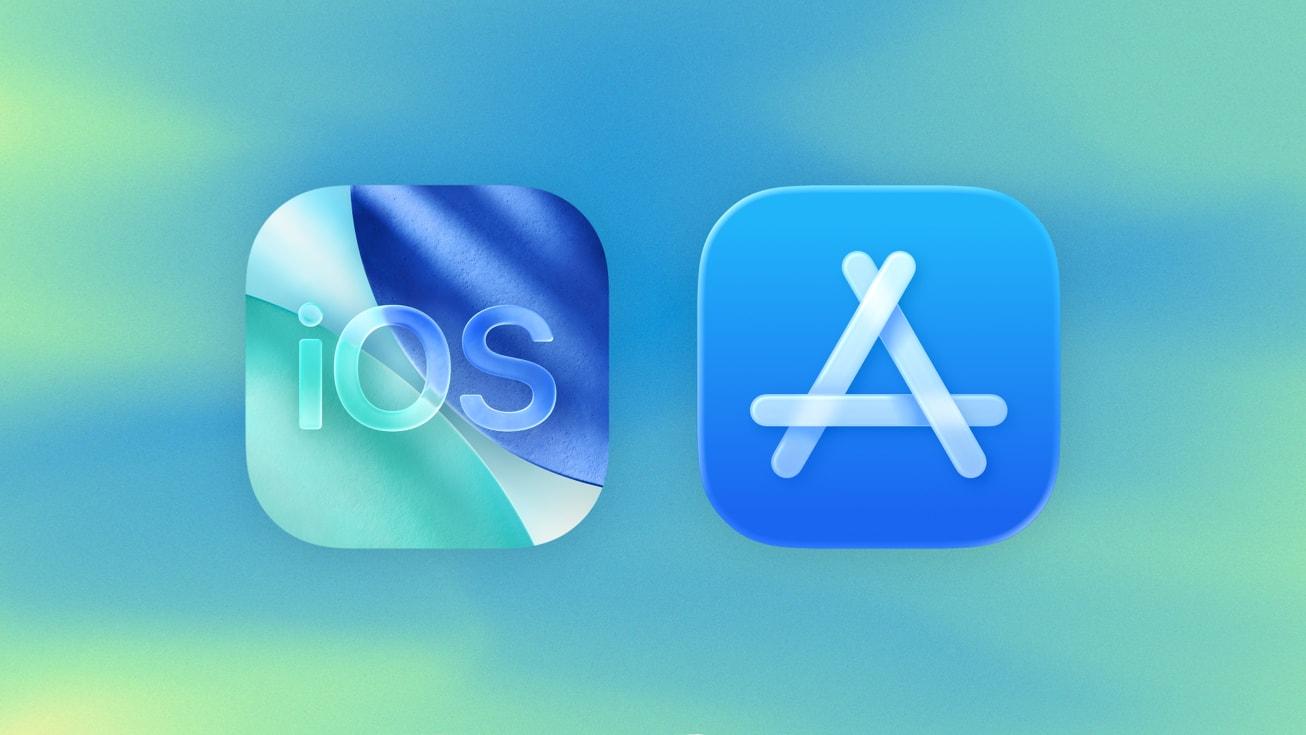
Apple has announced major changes to its iOS ecosystem in Brazil following an agreement with the country’s competition regulator, the Conselho Administrativo de Defesa Econômica (CADE). The updates, which come into effect with iOS 26.5, will allow developers to distribute apps through alternative marketplaces and offer payment methods outside of Apple’s traditional in-app purchase system.
The move marks one of the most significant shifts to Apple’s App Store model in Brazil, aligning the company with increasing global regulatory pressure aimed at opening mobile ecosystems to greater competition.
Developers Gain More Freedom
Under the new framework, developers in Brazil will be able to distribute iOS applications through alternative app marketplaces instead of relying exclusively on the Apple App Store. They will also have the option to process payments for digital goods and services using third-party payment systems or direct users to external websites to complete transactions.
Apple said these changes are designed to comply with regulatory requirements while still preserving user safety and security.
“These updates create new options for developers to distribute apps and process payments,” the company said in a statement, adding that it has implemented several safeguards to mitigate potential risks.
Apple Raises Security Concerns
Despite embracing the changes, Apple warned that opening iOS to alternative marketplaces could expose users to increased risks, including malware, fraud, scams, and harmful content.
To address these concerns, Apple is introducing a process known as Notarization, a baseline security review that will apply to all iOS applications distributed outside the App Store. The process combines automated checks and human review to verify that apps function as intended and are free from known malware and security threats.
However, Apple stressed that Notarization is not as comprehensive as the traditional App Review process that all App Store applications must undergo.
The company will also require alternative app marketplaces to obtain authorization and comply with ongoing operational requirements.
New Payment Options for App Store Apps
Developers whose applications remain on the App Store will now be allowed to integrate alternative payment methods or direct users to external websites to complete purchases.
Apple’s own in-app purchase system will continue to be available and will operate alongside third-party payment options.
The technology giant noted that users who choose Apple’s payment system will continue to benefit from features such as refund support, subscription management, purchase history tracking, and fraud reporting tools.
For transactions completed outside Apple’s ecosystem, the company said it will have limited ability to assist customers with refunds, disputes, or fraud-related issues.
Updated Commission Structure
As part of the changes, Apple has also introduced revised business terms for developers operating in Brazil.
Most developers will pay a reduced App Store commission of 10%, while standard transactions involving digital goods and services will carry a 21% commission. Developers using Apple’s in-app purchase technology will pay an additional 5% payment processing fee.
For purchases completed through external websites linked from apps, developers will pay a store services commission of 15%, with eligible small-business developers receiving a reduced rate of 10%.
Applications distributed outside the App Store will be subject to a 5% Core Technology Commission on sales of digital goods and services.
Apple said the new framework ensures that developers selling digital products in Brazil will pay the same or less than they currently do.
Focus on Children’s Online Safety
A key component of the agreement focuses on protecting younger users.
Apple said that apps in the Kids category on the App Store will not be permitted to include links to external payment websites. Additionally, applications using alternative payment systems must include parental approval mechanisms for users under the age of 18.
The company warned that similar regulatory changes in regions such as Europe and Japan have led to the availability of applications that were previously restricted on iOS, including adult-oriented content.
To help mitigate these risks, Apple plans to introduce new tools enabling parents to monitor and approve purchases made outside of its in-app purchase ecosystem.
Part of a Broader Global Trend
The Brazilian changes reflect a broader global trend in which regulators are pushing major technology companies to open their platforms to greater competition. Similar measures have already been introduced in parts of Europe and Asia, forcing Apple to rethink how developers distribute applications and process payments.