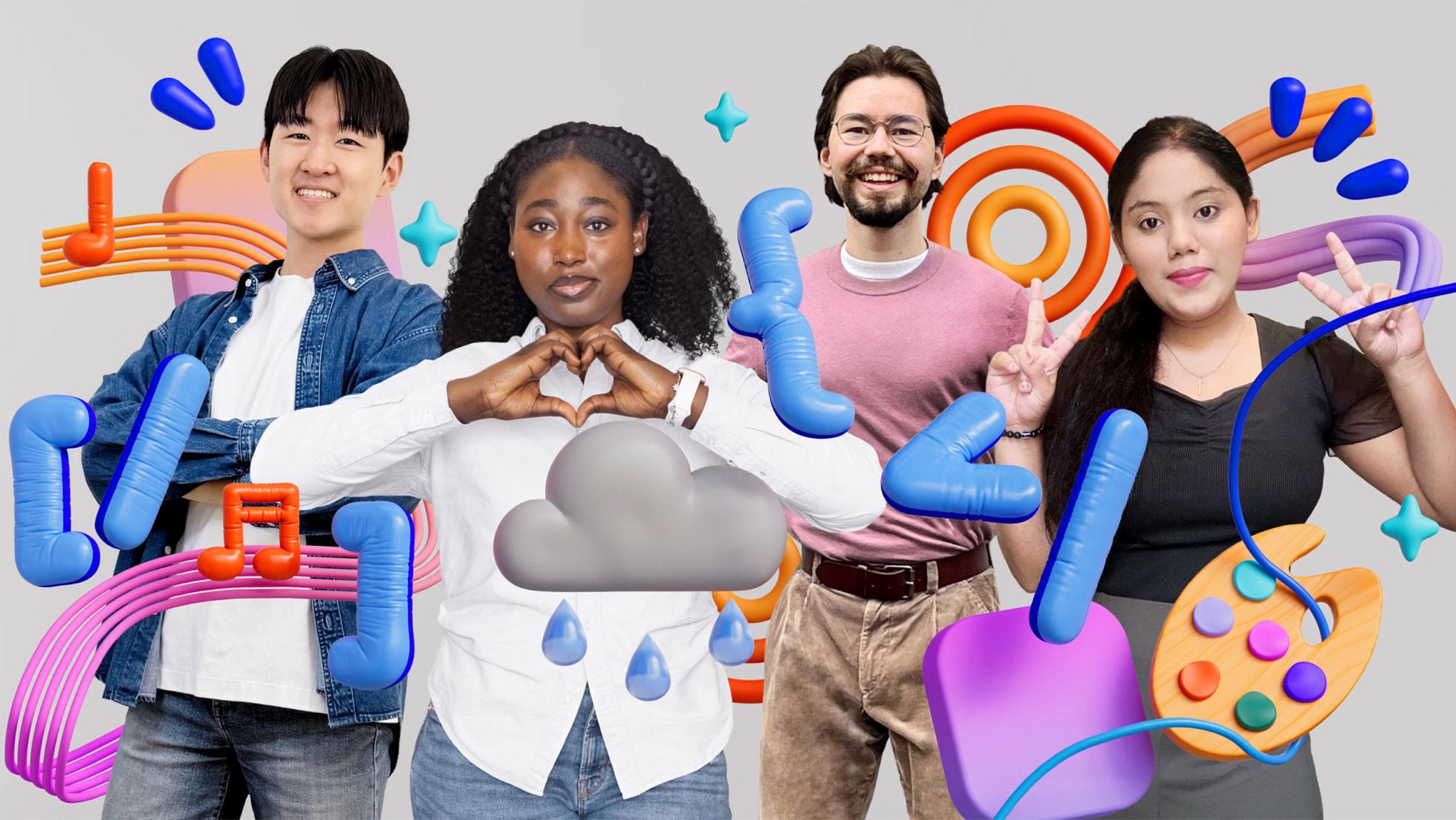
Apple has highlighted a new generation of young developers who are using artificial intelligence and accessibility-focused design to address real-world challenges through this year’s Swift Student Challenge. The annual competition received winning submissions from 350 students across 37 countries and regions, with many projects focused on improving everyday life through technology.
The challenge invites students to create original app playgrounds using Apple’s Swift programming language. Fifty Distinguished Winners have been selected to attend the upcoming Worldwide Developers Conference (WWDC) at Apple Park, where they will participate in workshops, labs, and sessions with Apple engineers and experts.
Accessibility Inspires Award-Winning Innovation
Several of the winning projects were inspired by personal experiences and community challenges, with accessibility emerging as a common theme.
One of the distinguished winners, Gayatri Goundadkar from Pune, India, developed Steady Hands, an app designed to help people with tremors create digital artwork. Inspired by her grandmother’s struggle to continue painting as she aged, the app uses Apple Pencil stabilization and motion analysis to reduce the effects of hand tremors while drawing. It also displays completed artwork in a virtual 3D gallery intended to celebrate users’ creativity.
AI-Powered Feedback for Public Speaking
In Germany, computer science student Anton Baranov created Pitch Coach, an application that uses Apple Intelligence tools to provide real-time presentation feedback.
The idea emerged after discussions with his mother, a university professor, who observed that many talented students struggled with public speaking despite having strong ideas. The app tracks posture, identifies filler words, and generates personalised feedback after presentations. Since launching on the App Store in March, Pitch Coach has reportedly attracted more than 6,000 organic downloads.
Technology for Disaster Response
Ghanaian designer and interaction design student Karen-Happuch Peprah Henneh focused her project on disaster preparedness.
Her app, Asuo, provides real-time evacuation routes for people in flood-prone areas. Named after the Twi word for “flowing water,” the application combines rainfall intensity data, historical flood information, and pathfinding algorithms to guide users toward safer locations during emergencies. The app also incorporates accessibility features such as VoiceOver support and spoken alerts for users with visual impairments.
Making Music Education More Accessible
Another distinguished winner, Yoonjae Joung from South Korea, developed LeViola, an app that allows users to learn and simulate playing the viola without needing the physical instrument.
Using machine learning, hand tracking, and camera-based guidance, the app analyses finger and arm movements to recreate aspects of viola performance. Joung said the project was motivated by the barriers many people face when trying to access music education, including the cost of lessons and the size of instruments.
AI Becomes a Development Tool for Students
A notable trend across many of the projects was the use of AI-assisted development tools. Several winners credited technologies such as Anthropic’s Claude, OpenAI’s Codex, and Google’s Gemini with helping them learn Swift, implement complex features, and accelerate development.