As South Africa celebrates Women’s Month, Uber marks six years of working with the National Shelter Movement of South Africa (NSMSA), which has provided emergency transportation to survivors of gender-based violence and femicide (GBVF) since 2020 – at no cost to the survivors. Through Uber’s technology platform and NSMSA’s network of nearly 100 shelters nationwide, the initiative has facilitated thousands of trips across Gauteng, KwaZulu-Natal, Eastern Cape, Western Cape, Northern Cape and the North West, helping survivors access safety and support when they need it most.
Since its launch in 2020, the initiative has become part of a broader support network that helps survivors access shelter, counselling and other critical services across South Africa. Working with various shelters across the country, the NSMSA connects women and children experiencing abuse with safe accommodation, counselling and other support services, while Uber’s technology helps remove one of the practical obstacles to accessing that assistance.
This initiative operates through the NSMSA’s placement service, with authorised social workers coordinating transportation on behalf of survivors and connecting them to accommodation and support services nationwide.
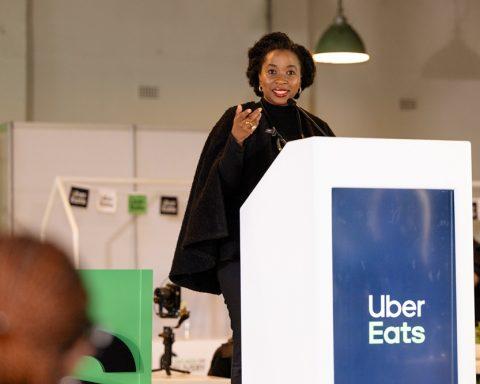
“Technology and transportation alone cannot solve gender-based violence, but it can lower some of the barriers standing between survivors and safety,” says Deepesh Thomas, Director and General Manager for Sub-Saharan Africa and Morocco at Uber. “Lasting impact comes from sustainable relationships that translate purpose into action, and we remain committed to expanding access to support systems like the National Shelter Movement of South Africa that women and children rely on during times of need.”
As conversations around women,their independence and safety take the centre stage this Women’s Month, Uber and the NSMSA are encouraging survivors, as well as friends and family supporting loved ones in vulnerable situations, to seek help through the Movement’s nationwide network of shelters and support services.
“When a woman calls our helpline, she has often spent months, sometimes years, gathering the courage for that one call. What working with Uber allows us to do is answer her without hesitation. We can tell her that we have found her a place, and that we can get her there. Removing that single practical obstacle, at the exact moment a woman has decided to act, is not a small thing. It is very often the difference between a decision made and a decision deferred,” says Anisa Moosa, Coordinator of the National Shelter Movement of South Africa.
The work that Uber and the Movement do together continues to support NSMSA’s 24/7 toll-free placement service offered to survivors, allowing the Movement to coordinate emergency transportation for survivors seeking refuge while protecting their privacy and confidentiality. By making efforts to remove transportation barriers during moments of crisis and need, the initiative seeks to ensure that access to safety and support is not determined by distance or financial circumstances. NSMSA’s 24/7 toll-free placement helpline can be reached on 0800 001 005.
In 2023, Uber made a $10 million dollar commitment, over five years, to provide funding for organisations working to prevent, address, and respond to gender-based violence as part of its global Driving Change initiative. Initiatives, like the one with the NSMSA and the collaboration with the NISAA Institute for Women’s Development on gender sensitivity and safety education programmes, are intentionally built as longstanding partnerships, enhancing Uber’s technology, services and impact. Alongside this work, Uber has also developed unique services such as Women Driver Preferred, with product-level safeguards informed by local research and global best practice.
For Uber and the NSMSA, the long standing collaboration reflects a shared commitment to ensuring that pathways to safety remain accessible to those who need them most. As the partnership grows, both organisations remain focused on strengthening the support systems that survivors rely on and ensuring that help remains within reach during moments of crisis.