After a decade spent helping African women and girls enter the technology industry, She Code Africa is turning its attention to a new challenge: ensuring women don’t just enter tech, but progress into leadership, build companies, attract investment and participate in shaping Africa’s digital economy.
The Pan-African nonprofit marked its 10th anniversary at the She Code Africa Summit 2026, held in Lagos, Nigeria, on 19 September under the theme “A Decade of Impact: African Women Architecting the Digital Future.”
The milestone comes after ten years in which the organisation says it has impacted more than 65,000 women and girls, while building a community of more than 50,000 members across over 20 African countries.
Getting women through the door is only the beginning
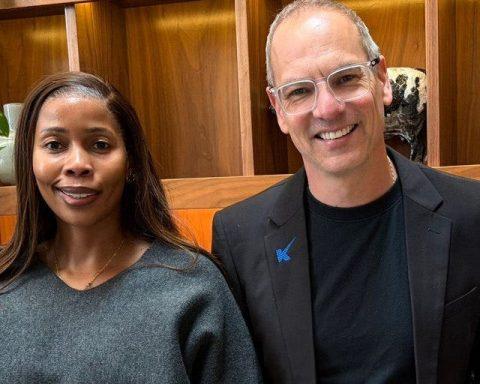
Founded by Ada Nduka Oyom, She Code Africa began in 2016 with a focus on increasing the visibility of African women working in technology before developing into a wider community and training organisation.
Over the years, its work has expanded into technical training, scholarships, mentorship, digital literacy, STEM education and career development.
But as She Code Africa enters its second decade, Oyom says skills training alone cannot solve the inequalities women experience within the technology ecosystem.
“You can train a woman, if you don’t give her that opportunity, it’s just a dead end,” Oyom said during the summit.
The organisation is consequently broadening the conversation from simply creating access to examining what happens once women actually enter the industry.
From access to leadership and ownership
One of the central questions emerging from the summit was whether African women are being given sufficient opportunities to advance once they have acquired digital skills and entered technology careers.
Oyom highlighted career progression as one of the next major challenges, arguing that women can enter the industry but struggle to move through its ranks.
“The limitation is that these women come in, and then they don’t grow. They don’t progress,” she said.
That places leadership, entrepreneurship, investment and ownership at the centre of She Code Africa’s next phase.
Rather than measuring progress only by the number of women trained or entering technology, the organisation’s summit discussions explored whether women are building businesses and products, reaching senior positions, accessing capital and gaining influence over decisions affecting Africa’s rapidly developing digital economy.
The funding gap remains enormous
Access to capital emerged as another major issue.
Napa Onwusah, Managing Partner of B4B Partners, cited data during the summit showing that female solo founders and all-women founding teams received less than 1% of tracked startup funding across African markets, compared with 91% going to male solo founders and all-male teams. Mixed-gender teams accounted for the remaining 8%.
The figures illustrate why increasing women’s participation in technology does not necessarily translate into equal economic power within the sector.
Onwusah argued that the next phase should move women from simply being present in the technology ecosystem towards having greater influence as founders, investors and decision-makers.
African women must help shape the digital future
Ownership was also discussed beyond startups.
A summit panel examining who owns Africa’s digital infrastructure looked at the continent’s dependence on global technology providers and the role Africans can play in areas such as infrastructure management, cybersecurity, governance and data policy.
Security and governance specialist Oluwatosin Fatokun argued that Africa does not necessarily have to own every component of the technology value chain to exercise greater influence, but should play a significant role in managing the infrastructure supporting its digital economy.
It reflects a broader shift in the conversation around women in technology: from asking how more African women can participate to asking how they can become builders, owners and decision-makers within the systems being created.
A new decade for She Code Africa
She Code Africa’s tenth anniversary therefore represents more than a celebration of the women it has trained.
Its next chapter points towards a bigger ambition — creating pathways that allow African women to move from learning digital skills to building sustainable careers, launching companies, securing investment and occupying leadership positions.
The organisation describes its 2026 summit as both a reflection on the progress of the past decade and a call to action around what the next ten years should look like.
After a decade of helping thousands of African women get into technology, the question facing She Code Africa has evolved.