Kenyan Startup Uses AI to Make Sign Language More Accessible
In a continent where millions of deaf and hard-of-hearing people remain excluded from everyday communication, Kenyan startup Signvrse is building one of Africa’s most important accessibility technologies — an AI-powered platform designed to make sign language interpretation faster, more affordable and more widely available.
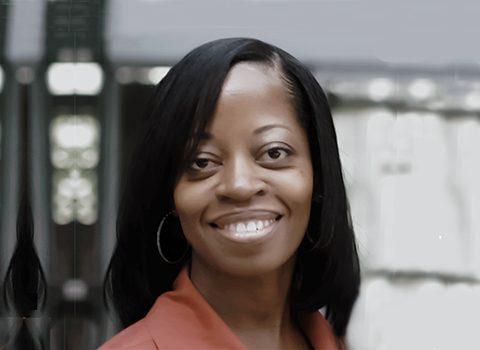
Founded in Nairobi by Elly Savatia, Signvrse is the company behind Terp 360, a breakthrough digital tool that translates speech and text into sign language in real time using lifelike 3D avatars. Built for deaf and hard-of-hearing communities, the platform is helping bridge one of Africa’s most overlooked accessibility gaps: the shortage of qualified sign language interpreters in schools, hospitals, workplaces and public institutions.
Turning Speech Into Sign Language in Real Time
At the centre of Signvrse’s innovation is Terp 360, an AI-powered translation platform that converts spoken and written language into visual sign language through animated 3D avatars designed to mimic natural human motion.
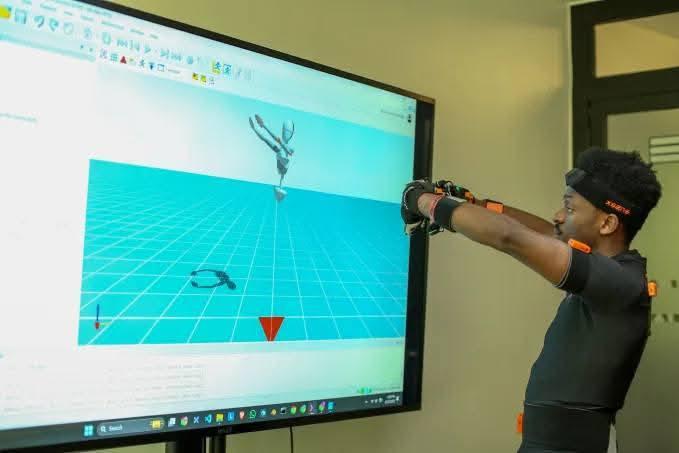
Often described as a “Google Translate for sign language,” Terp 360 allows hearing and deaf individuals to communicate without relying entirely on a human interpreter. Instead of static visual prompts or robotic gestures, the platform uses motion-capture technology and machine learning to render fluid, realistic sign language that feels more natural and culturally relevant to users.
The platform currently supports English and Swahili input, translating both into Kenyan Sign Language through photorealistic digital avatars.
Built With the Deaf Community, Not Just for It
What sets Signvrse apart is its emphasis on cultural and linguistic relevance.
Rather than relying on imported datasets built around American or British sign systems, Signvrse worked directly with deaf and hard-of-hearing Kenyans to record more than 2,300 locally used signs, words and common phrases in Kenyan Sign Language.
That collaborative approach has allowed Terp 360 to deliver more accurate, human-like translations while ensuring the product reflects the realities of African users — a major gap in the global accessibility technology market.
In doing so, Signvrse is not only building assistive technology, but also helping preserve and digitise African sign languages in an AI-driven future.
From Classroom Problem to Continental Innovation
The idea for Terp 360 began with a simple but urgent observation.
While teaching robotics in northern Kenya, Savatia encountered a classroom of 300 deaf students supported by just one interpreter. That imbalance exposed the scale of the communication crisis facing deaf learners and inspired the idea behind Signvrse.
What began as a simple prototype capable of translating the sign language alphabet has since evolved into one of Africa’s most promising assistive AI platforms, with early deployments already reaching more than 2,000 members of the deaf community.
The platform is already being tested in education, workplaces and public service environments, where demand for scalable interpretation tools continues to grow.
Africa Prize Win Puts Signvrse on the Global Map
In 2025, Signvrse gained international recognition when Savatia won the Africa Prize for Engineering Innovation, one of the continent’s most prestigious engineering honours.
Awarded by the Royal Academy of Engineering in Dakar, Senegal, the prize recognised Terp 360 as a breakthrough engineering solution with both commercial potential and deep social impact. Savatia received £50,000 in prize funding to scale the technology further.
The win marked a major milestone not just for Signvrse, but for Africa’s growing assistive technology sector — proving that some of the continent’s most important innovations are being built not only for scale, but for inclusion.
Building Inclusive Infrastructure for Africa’s Digital Future
Signvrse is now preparing to expand Terp 360 into education, healthcare and enterprise markets, where accessible communication remains both a social challenge and a major infrastructure gap.
The company also plans to expand beyond Kenya, with ambitions to support additional African sign languages including those used in Uganda, Rwanda and South Africa.