As millions of people recommit to healthier habits in January, new research from the Apple Heart and Movement Study suggests that Apple Watch users are more likely to maintain their exercise routines well beyond the early weeks of the year — a period when many fitness resolutions typically fall away.
According to a new analysis of data from the long-running study, Apple Watch users not only increase their physical activity levels at the start of January but sustain those gains well into the following months, challenging the notion of “Quitter’s Day,” the second Friday of January when many people abandon their resolutions.
Exercise Levels Rise — and Stay Up
The analysis reviewed activity data from approximately 100,000 Apple Watch users over four years who consistently wore their devices and opted to share their Activity data. Each year showed a similar pattern: after a dip in average daily exercise minutes during November and December, activity levels rose sharply in January and continued progressing into spring.
During the first two weeks of January, more than 60% of participants increased their daily exercise minutes by over 10% compared to their December averages. Nearly 80% of those users maintained those higher activity levels through the second half of January, while 90% sustained them through February and March.
Researchers noted that many users kept up their exercise routines through Quitter’s Day and beyond, highlighting the role of consistent feedback and motivation in long-term behaviour change.
Backed by One of the Largest Health Studies
The Apple Heart and Movement Study is conducted in collaboration with Brigham and Women’s Hospital, the American Heart Association, and Apple. To date, the study has included more than 250,000 participants across the United States who consented to take part, making it one of the largest cardiovascular and movement studies of its kind.
Motivation Through Rewards and Insights
To encourage consistency at the start of the year, Apple is offering Apple Watch users a limited-edition “Ring in the New Year” award. Users can earn the digital badge by closing all three Activity rings for seven consecutive days in January.
Beyond awards, Apple Watch provides users with a range of tools designed to support fitness and health goals. These include detailed workout tracking powered by AI and machine learning models trained on over 50 million hours of activity data, as well as insights into cardio fitness, training load, recovery, and long-term trends.
A Broader Health and Fitness Ecosystem
Apple Watch also enables users to track sleep, heart health, menstrual cycles, medication schedules, and environmental noise exposure. The platform integrates with popular third-party apps such as Strava and Runna for runners, and Golfshot and 18Birdies for golfers, expanding its appeal across different fitness communities.
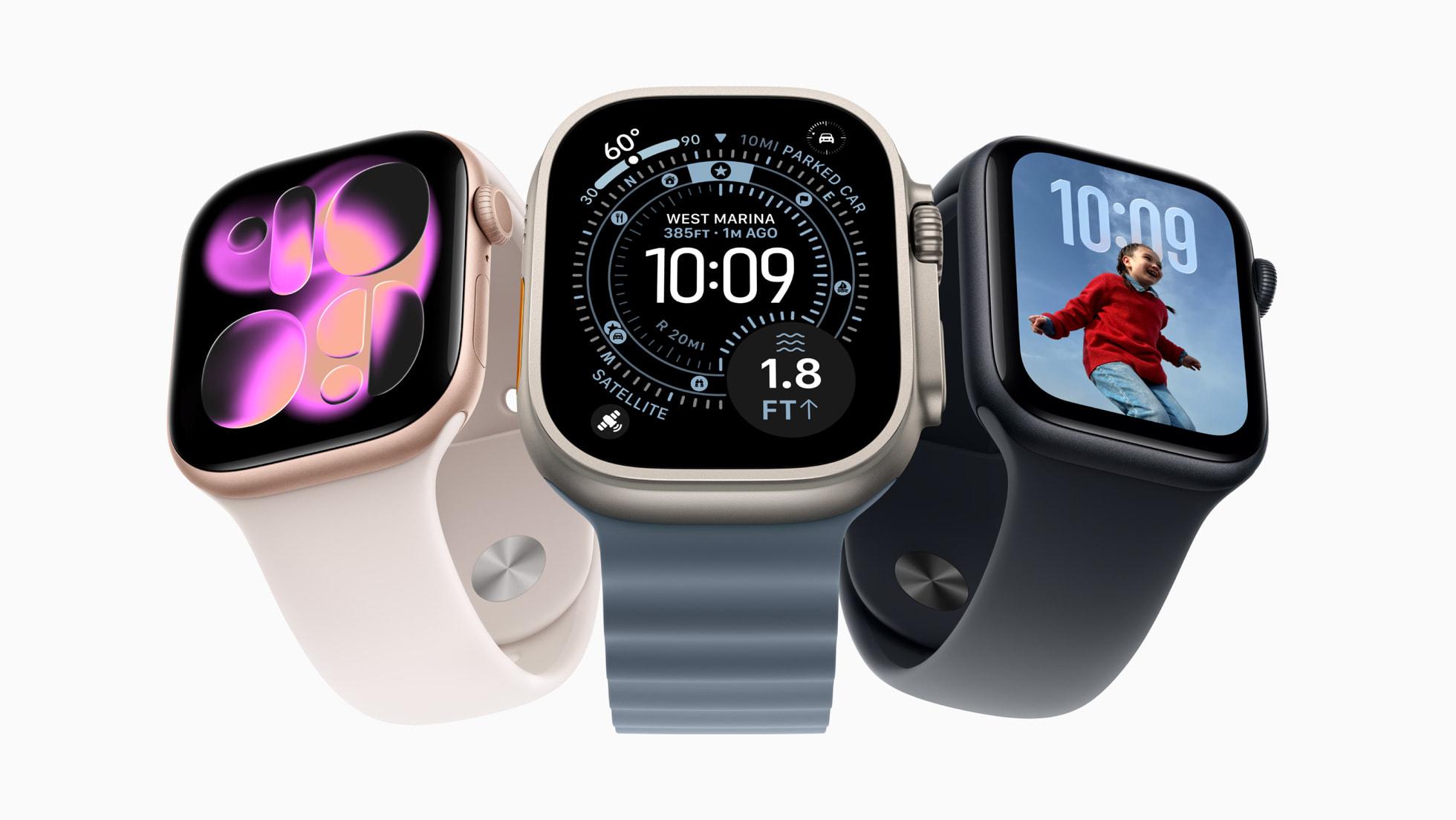
Apple’s current lineup caters to a wide range of users. The Apple Watch Series 11 introduces advanced health features such as hypertension notifications, ECG capabilities, longer battery life, and 5G cellular connectivity in a slimmer design. The Apple Watch SE 3 offers core health and fitness features at a more accessible price point, while the Apple Watch Ultra 3 targets athletes and adventurers with satellite-based Emergency SOS, a 42-hour battery life, and enhanced durability.